October 11, 2026

Why Most Exercise Routines Collapse—and the Primary Science Behind Long-Term Adherence

Author

Date

October 11, 2026

Share

The Science Behind Long-Term Fitness Program Adherence

Every year, millions of adults initiate new exercise programs with high hopes. They buy new gear, download fitness apps, and purchase gym memberships. Yet despite widespread awareness that regular exercise protects against more than 25 chronic adult health conditions, physical activity participation remains low across North America, where only 20% to 22.5% of US adults meet recommended federal guidelines for combined aerobic and muscle-strengthening exercise.


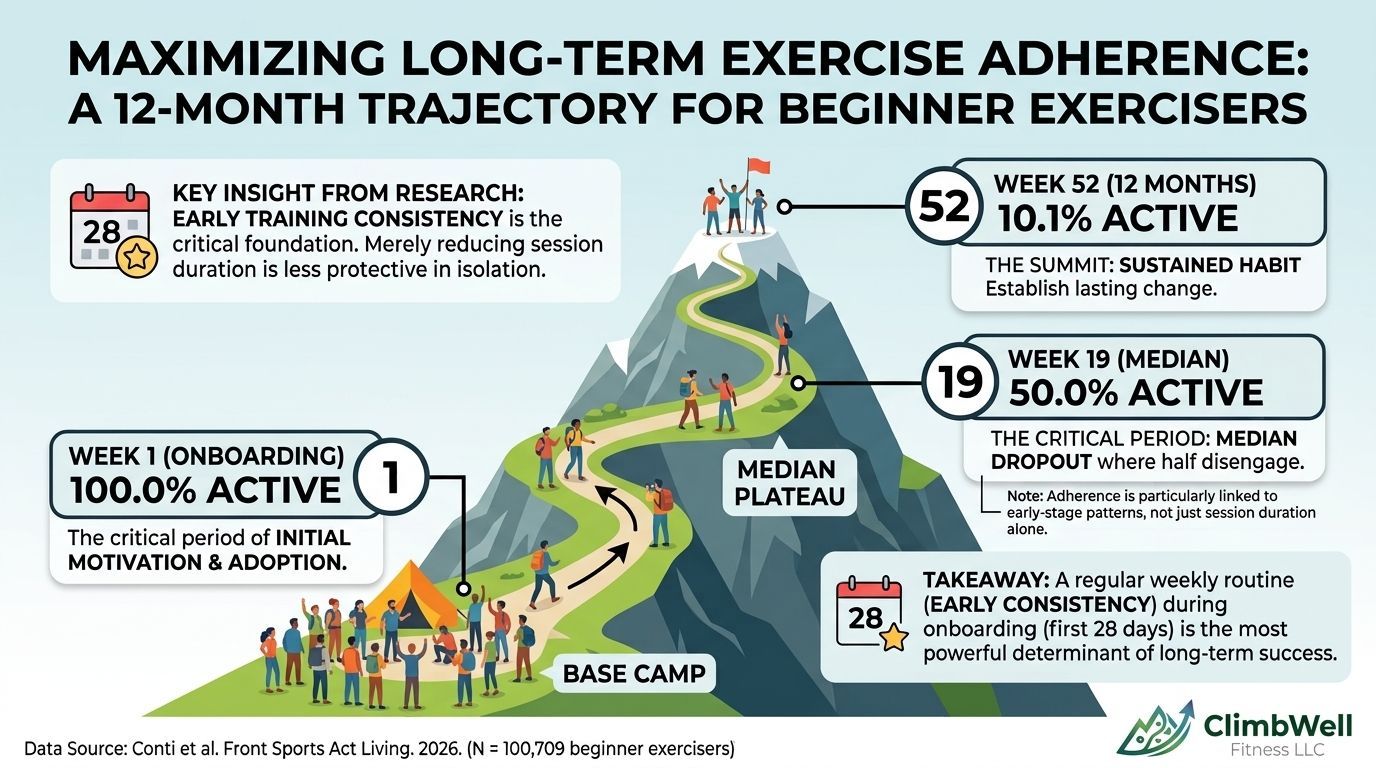
When individuals attempt to build a lasting fitness habit, the vast majority experience rapid disengagement. Large-scale behavioral tracking demonstrates that among exercise beginners, the median time to workout abandonment is just 19 weeks, and only 10.1% maintain consistent weekly exercise across a full year.


Why do so many well-intentioned individuals drop out? More importantly, what behavioral mechanisms differentiate the small percentage of "maintainers" who succeed?


To answer these questions, behavioral scientists have conducted primary longitudinal trials tracking exercisers over 12-month periods. Their primary findings reveal a fundamental truth:


While health goals get people started, establishing early consistency, matching workout intensity to personal traits, and tapping into the "Enjoyment Engine" are the true drivers of long-term adherence.


The Anatomy of Workout Attrition: What Primary Tracking Studies Reveal

To observe how exercise habits evolve without self-reporting bias, recent primary research has analyzed objective, timestamped workout data from massive cohorts.


In a 2026 longitudinal survival analysis published in Frontiers in Sports and Active Living, researchers Federica Conti, Andrew Galpin, Brad Schoenfeld, and colleagues tracked a cohort of 100,709 beginner exercisers over 52 consecutive weeks.

Infographic on exercise adherence over 12 months, showing active-to-plateau trend with weekly activity percentages.

The primary survival analysis revealed:


  • The steepest decline in participation occurred between weeks 10 and 15.


  • The median dropout threshold was reached at 19 weeks, meaning half of all beginner exercisers ceased meeting weekly activity criteria before the 5-month mark.


  • By Week 52 (12 Months), only 10.1% of beginners sustained app-recorded exercise engagement.


What Holds Us Back? Deconstructing the "Lack of Time" Barrier

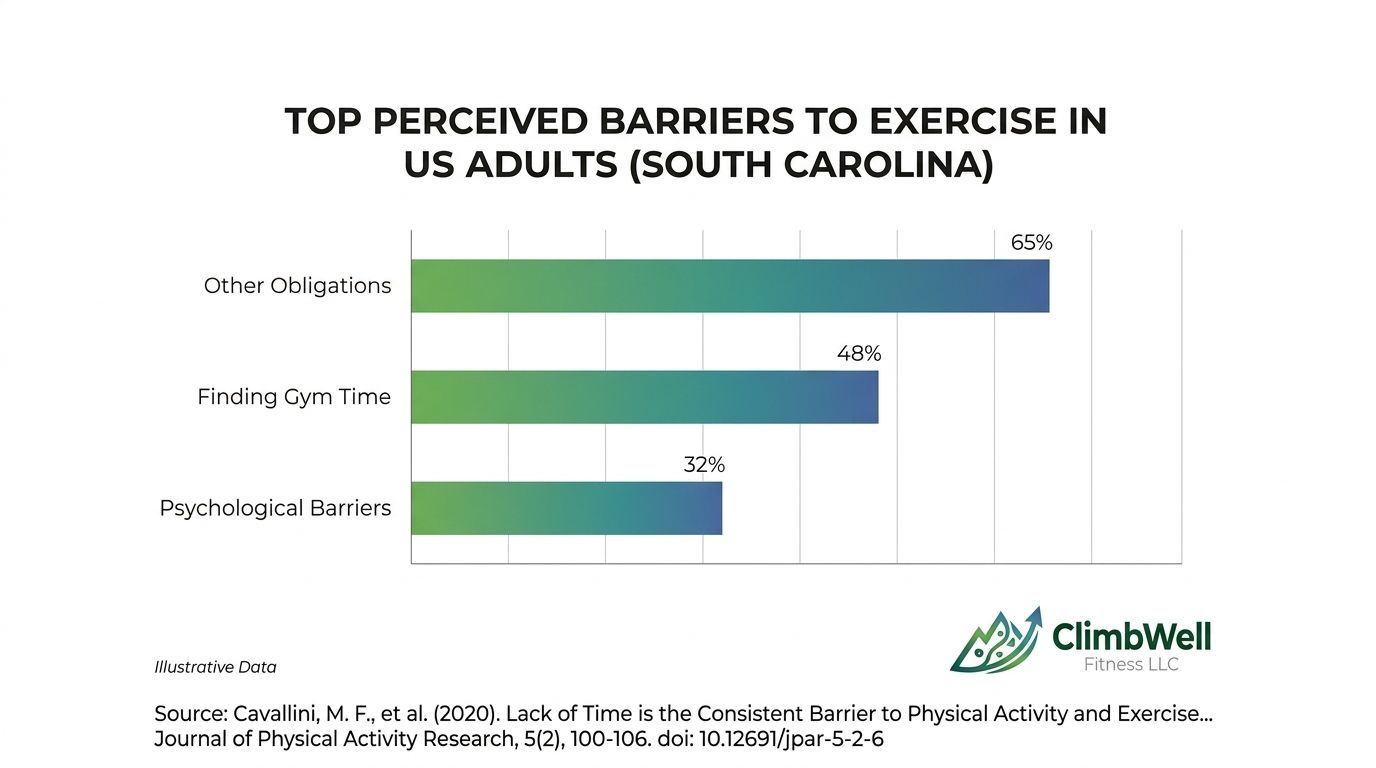
When sedentary or beginner exercisers are asked why they struggle to stick with a workout routine, one response dominates every survey: lack of time.


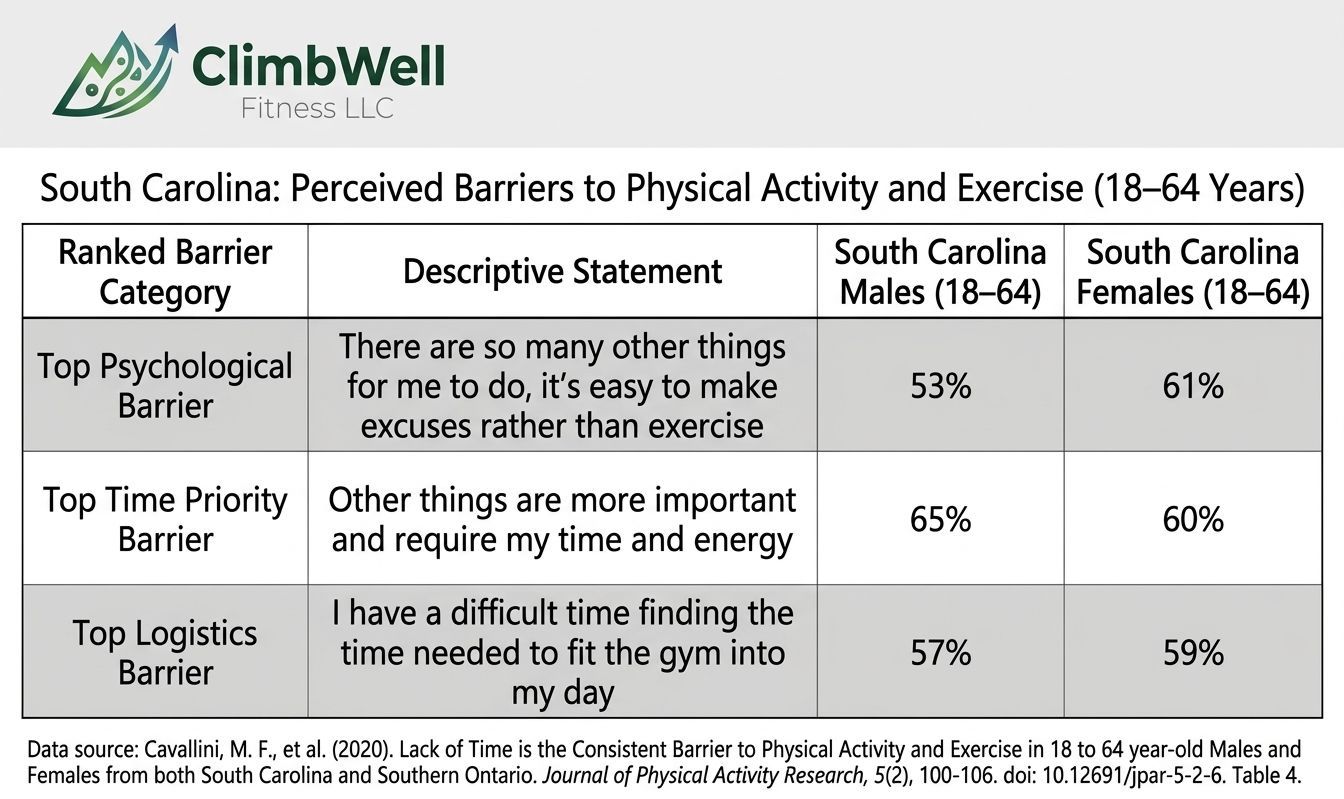
In a primary multi-region investigation led by M. Felicia Cavallini (Limestone University, South Carolina) and David J. Dyck (University of Guelph, Ontario), researchers conducted qualitative focus groups followed by quantitative surveys among adults aged 18 to 64 in South Carolina, USA, and Southern Ontario, Canada to identify top barriers to physical activity.

Bar chart of top perceived barriers to exercise in U.S. adults in South Carolina, green and blue bars

The authors concluded that while "lack of time" is expressed as a logistical constraint, it is primarily a psychological conflict of competing priorities. When workouts feel uncomfortable, inconvenient, or unrewarding, individuals naturally prioritize other daily tasks and make excuses to skip exercise.

Chart on perceived barriers to physical activity and exercise in South Carolina adults, showing top barriers by category and percentages.

The Primary Predictors of Long-Term Adherence

If time conflicts and busy schedules affect everyone, what enables the successful ~10% to 37% of exercisers to maintain their routine over a full year?


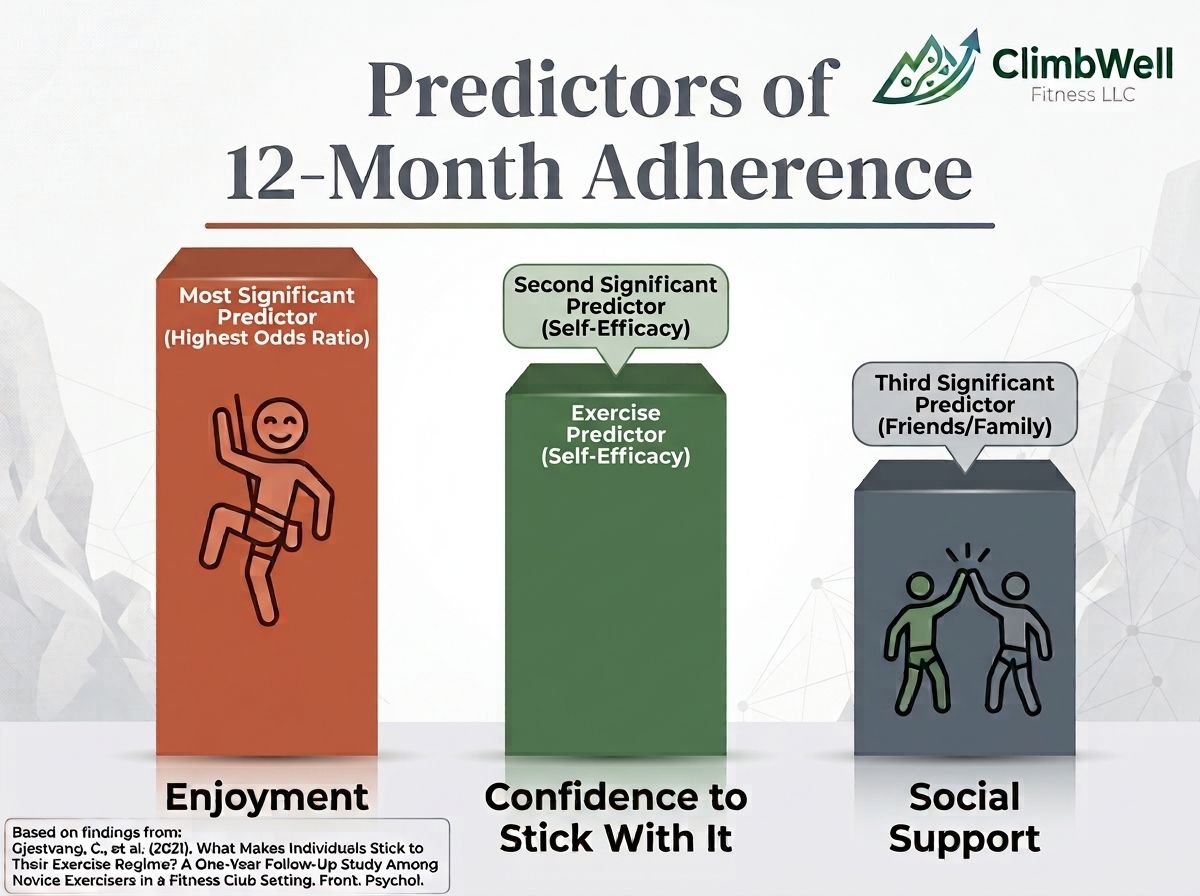
Research tracking gym-goers and app users over a full year reveals four primary behavioral and psychological factors that predict whether a new member will stick to their routine:


  • First-Month Consistency: The single strongest behavioral predictor of long-term adherence is how frequently a member trains during their first 28 days. Establishing a consistent, high-frequency routine during this initial onboarding window significantly drops the risk of them abandoning their workouts later in the year.


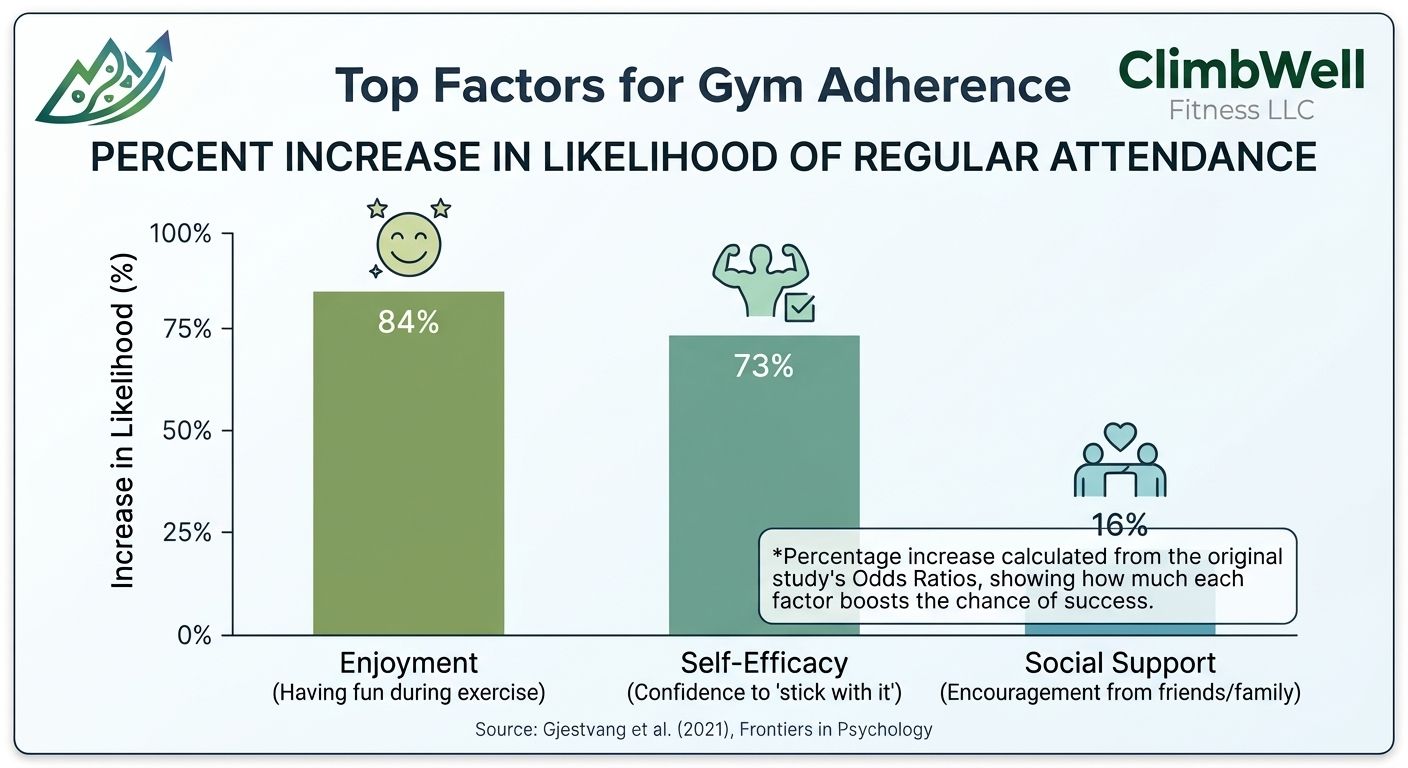
  • The "Enjoyment Engine" (84% Boost): Enjoyment is the strongest psychological predictor of building a long-term habit. Members who genuinely enjoy the physical sensation of their workouts are 84% more likely to stay consistent than those driven purely by external goals.


  • Confidence to "Stick To It" (73% Boost): A member's self-belief in their ability to maintain a routine—even on days they feel tired, stressed, or busy—increases their odds of long-term adherence by 73%.


  • Social Support (16% Boost): Encouragement from friends and family provides a 16% higher chance that a member will maintain their exercise habits

Intensity Matching: Why Customized Workouts Build Strong Habits

A major reason beginners fail to enjoy exercise is that standard fitness routines often clash with their natural preferences and limits.


  • Intensity Preference: The level of effort a person naturally chooses.


  • Intensity Tolerance: A person's ability to keep going when a workout becomes physically uncomfortable.


In a study evaluating 273 exercisers across nine fitness centers, researchers looked at what happens when prescribed workouts actually match a person's natural intensity traits. The data showed that 85.5% of these exercisers felt their workouts matched their intensity preference, and 88.7% felt their routines matched their tolerance limits.


When workouts align with these personal traits, people enjoy the exercise more, which strongly predicts how often they will work out, how easily the routine becomes an automatic habit, and their desire to continue exercising in the future.


Conversely, forcing beginners into intense routines that don't match their traits creates negative feelings, ruins their enjoyment, and makes them want to avoid working out altogether


Operational Blueprint: Translating Science into Climbing Gym Retention

For climbing gym owners, managers, and route setters, longitudinal behavioral data offers a clear, evidence-based roadmap for reducing member churn and driving long-term retention:


  1. Build a 28-Day Onboarding Bridge: Design structured 4-week introductory cohorts for new members. Establishing consistent workout attendance during the first 28 days provides the single strongest behavioral shield against long-term member dropout.
  2. Set Routes for Intrinsic Enjoyment: Route setters should prioritize movement variety, creative hold features, and regular wall resets over pure grading punishment. Intrinsic enjoyment is the #1 predictor of 12-month exercise adherence.
  3. Respect Beginner Intensity Traits: Ensure a dense selection of accessible, flow-state routes (V0–V2, 5.6–5.8) across vertical and slab walls. Keeping exertion within beginners' natural physical tolerance prevents early forearm flexor fatigue ("the pump") and workout avoidance.
  4. Foster Community & Social Belonging: Host weekly partner-matching socials, adult bouldering leagues, and group climb nights. Social support from exercise peers increases 12-month exercise adherence odds by 16% while building long-term gym loyalty.


Bibliography

  1. Conti F, Marzagão T, Galpin AJ, Schoenfeld BJ. Predictors of long-term resistance exercise adherence: evidence from a large cohort of mobile app users of various experience levels. Front Sports Act Living. 2026;8:1855668. doi:10.3389/fspor.2026.1855668
  2. Cavallini MF, Callaghan ME, Premo CB, Scott JW, Dyck DJ. Lack of time is the consistent barrier to physical activity and exercise in 18 to 64 year-old males and females from both South Carolina and Southern Ontario. J Phys Act Res. 2020;5(2):100-106. doi:10.12691/jpar-5-2-6
  3. Gjestvang C, Abrahamsen F, Stensrud T, Haakstad LAH. Motives and barriers to initiation and sustained exercise adherence in a fitness club setting—A one-year follow-up study. Scand J Med Sci Sports. 2020;30(9):1796-1805. doi:10.1111/sms.13736
  4. Gjestvang C, Abrahamsen F, Stensrud T, Haakstad LAH. What makes individuals stick to their exercise regime? A one-year follow-up study among novice exercisers in a fitness club setting. Front Psychol. 2021;12:638928. doi:10.3389/fpsyg.2021.638928
  5. Teixeira DS, Rodrigues F, Cid L, Monteiro D. Enjoyment as a predictor of exercise habit, intention to continue exercising, and exercise frequency: The intensity traits discrepancy moderation role. Front Psychol. 2022;13:780059. doi:10.3389/fpsyg.2022.780059
  6. Thum JS, Parsons G, Whittle T, Astorino TA. High-intensity interval training elicits higher enjoyment than moderate intensity continuous exercise. PLoS One. 2017;12(1):e0166299. doi:10.1371/journal.pone.0166299
  7. Gabay M, Oravitan M. The factors affecting adherence to physical activity in fitness facility settings: a narrative review. Timisoara Phys Educ Rehabil J. 2022;15(29):46-56. doi:10.2478/tperj-2022-0013

November 15, 2026
Turning Beginner Confusion into Movement Mastery
Rock climber shaking hands with a seated woman by a sunlit window indoors
October 25, 2026
Discover how gym operators maximize long-term member retention by leveraging social capital, community models, and service convenience to build an unshakeable gym.
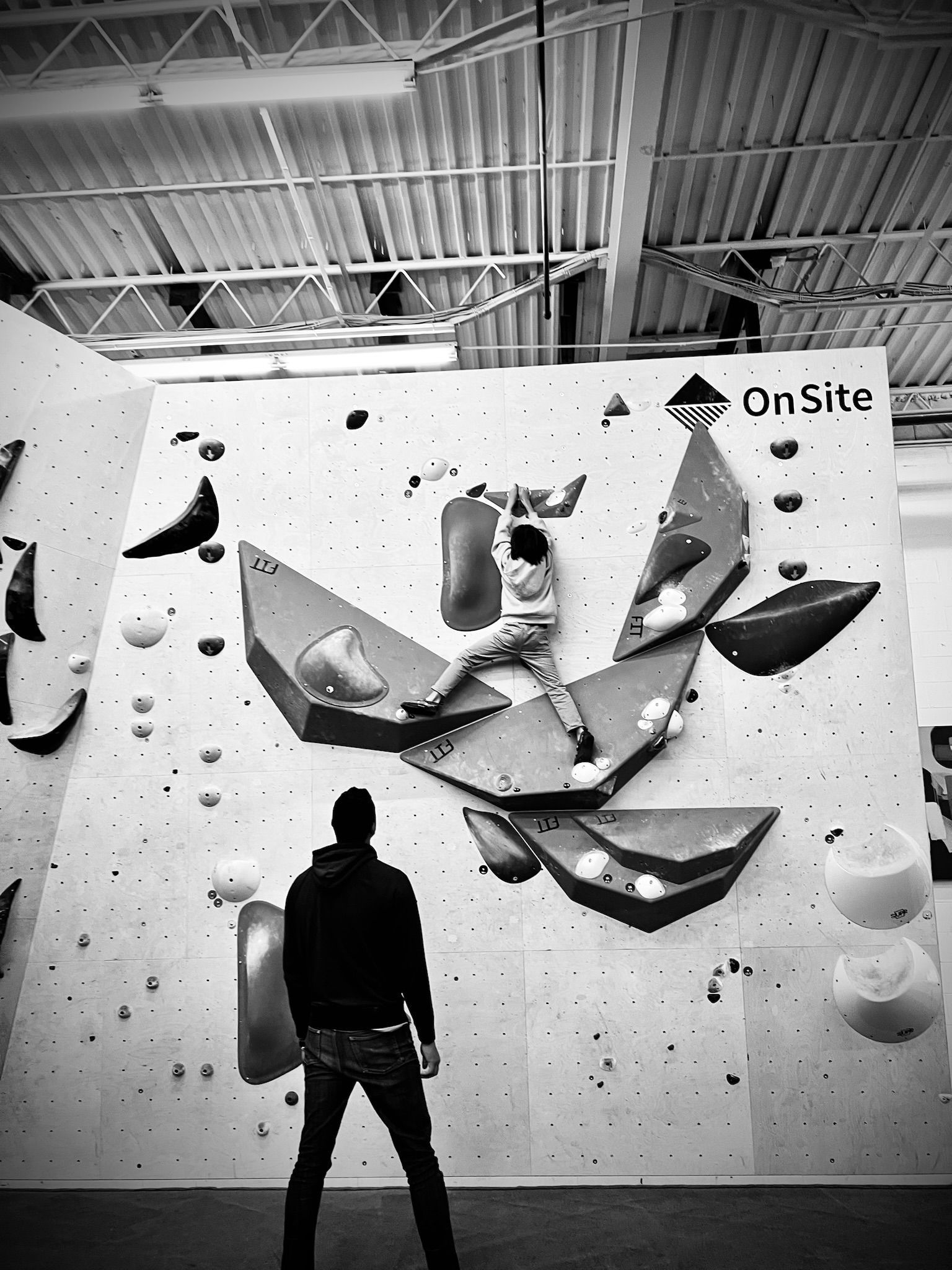
Person bouldering on an indoor climbing wall with large holds, viewed from behind.
October 18, 2026
Learn how climbing gyms can crush the parenting crux by engaging fathers through co-physical activity to build resilient kids and stronger, healthier family units.
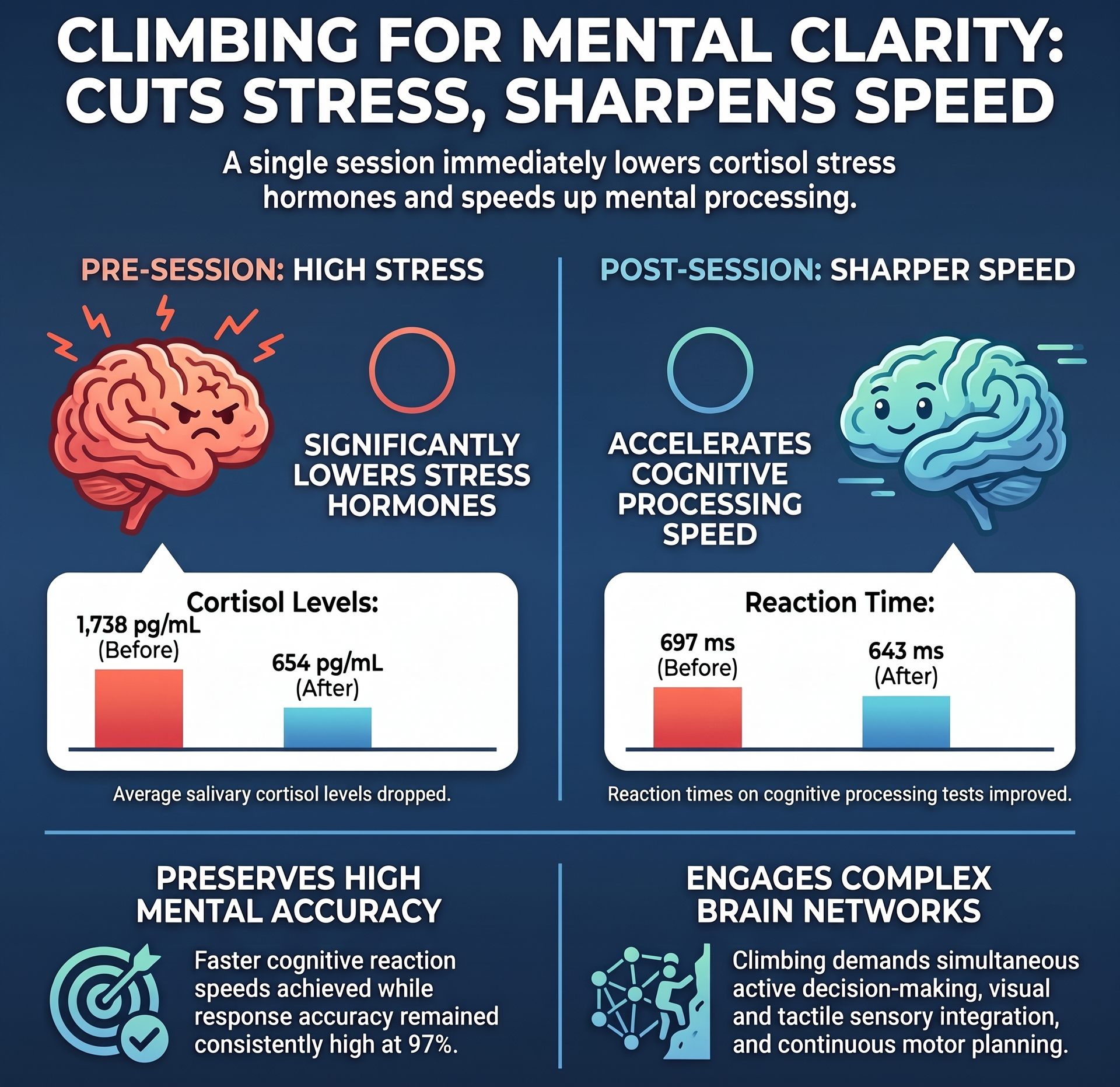
Infographic comparing stress before and after climbing, with brain icons, charts, and improved cognitive speed
October 4, 2026
Discover how indoor rock climbing slashes stress hormones like cortisol, sharpens cognitive reaction speed, and enhances mental clarity, per research.
September 27, 2026
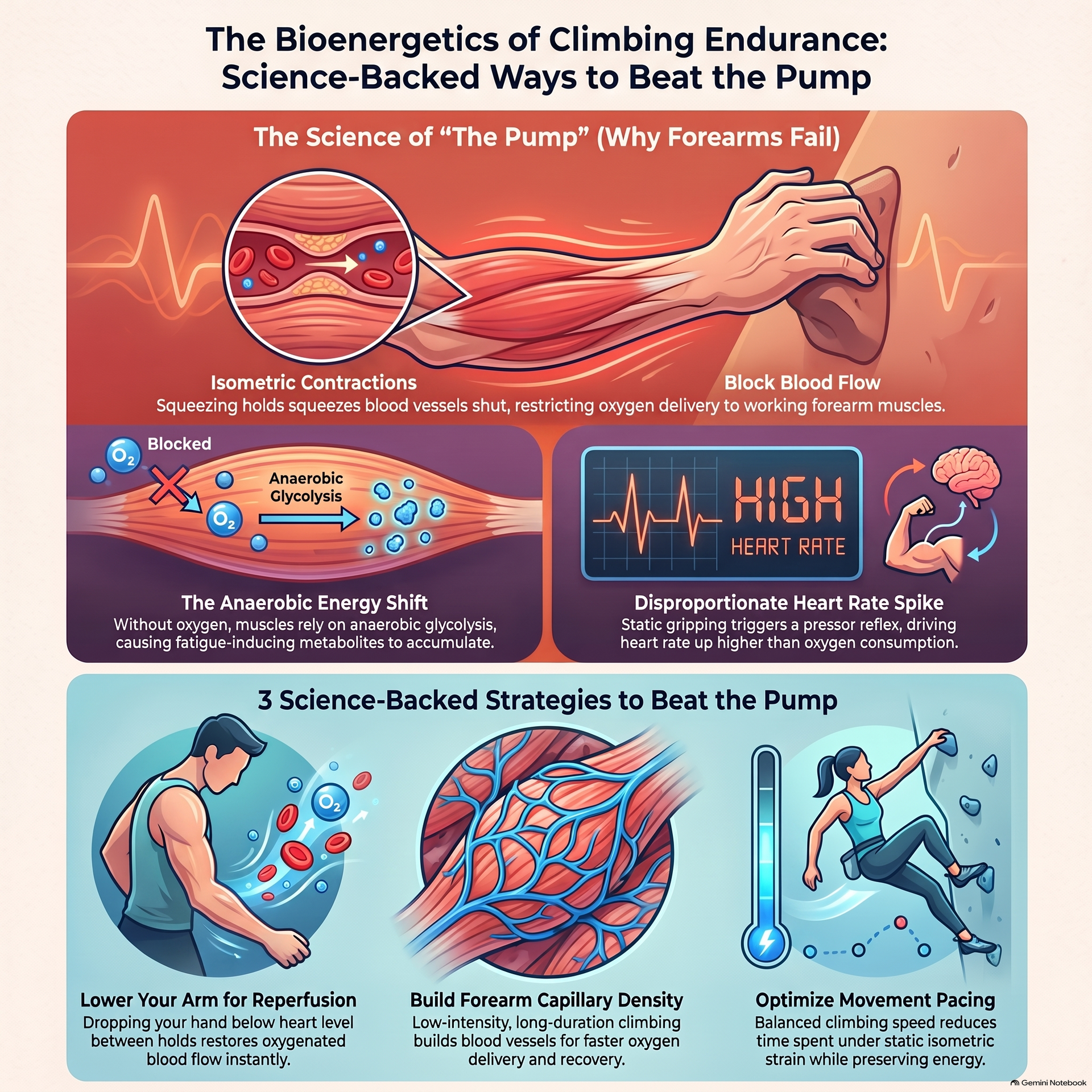
Master climbing endurance by training forearm blood flow over general cardio. Use ARC laps, 7:3 hangboard repeaters, isometric core holds, and active recovery.
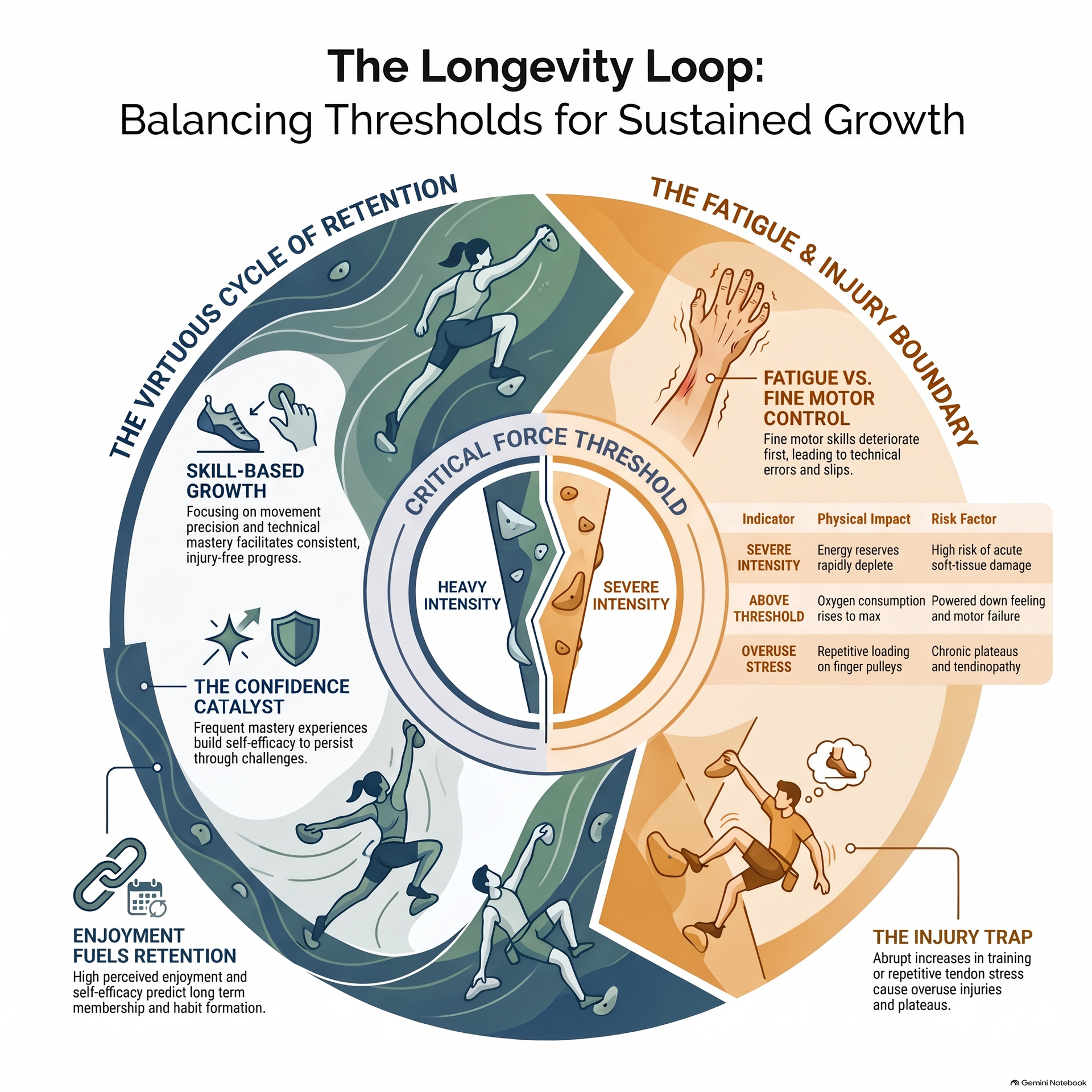
Circular infographic titled “The Longevity Loop” showing balanced growth, fatigue, and optimal force training phases.
September 20, 2026
Unmanaged skill plateaus lead to forearm fatigue and overuse injuries. Discover how evidence-based coaching and smart routesetting boost gym retention.
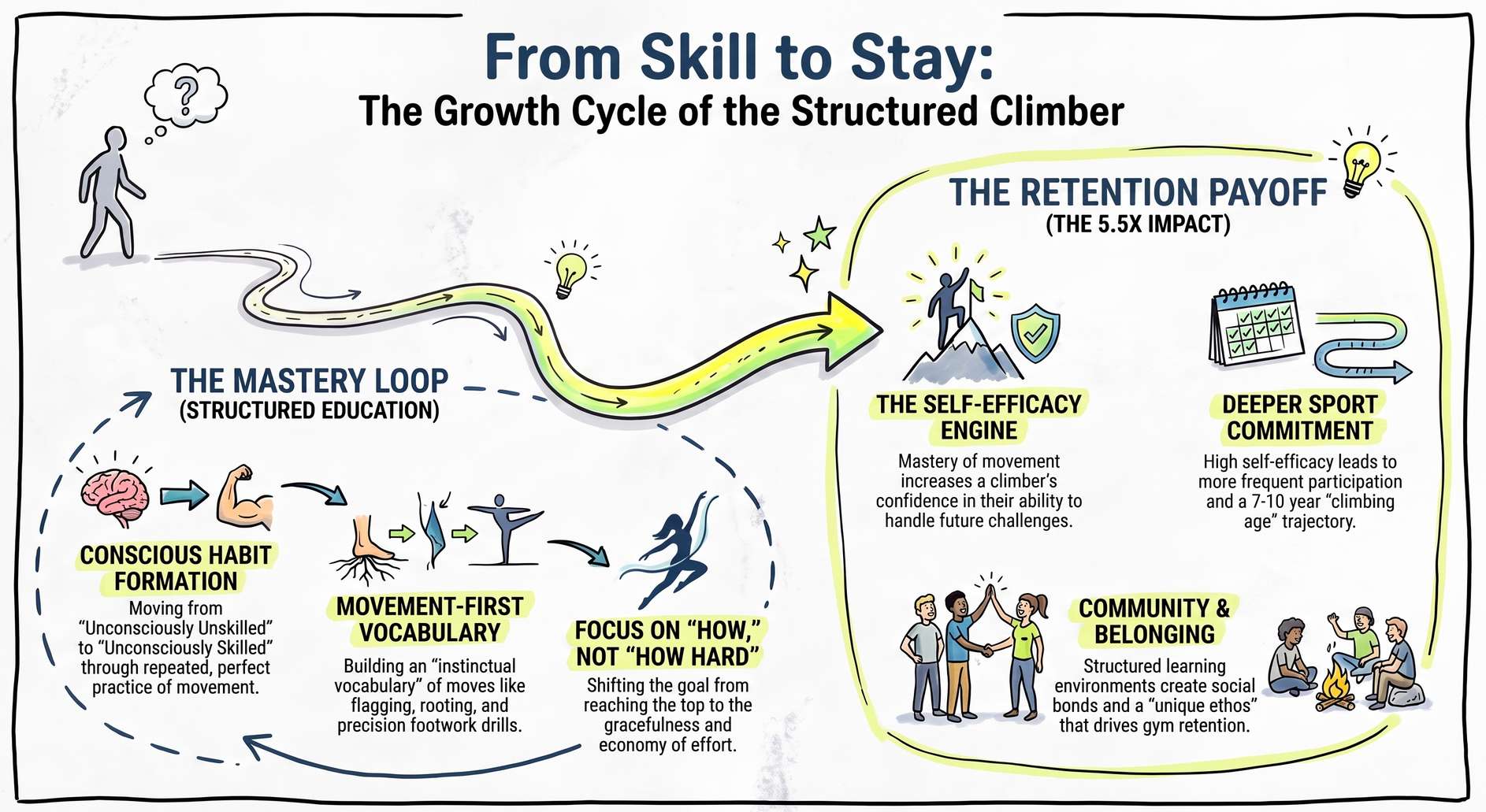
Diagram illustrating the structured climber growth cycle for member retention
September 13, 2026
Structured movement education pays for itself many times over. See the financial case for investing in retention curriculum at your climbing gym.
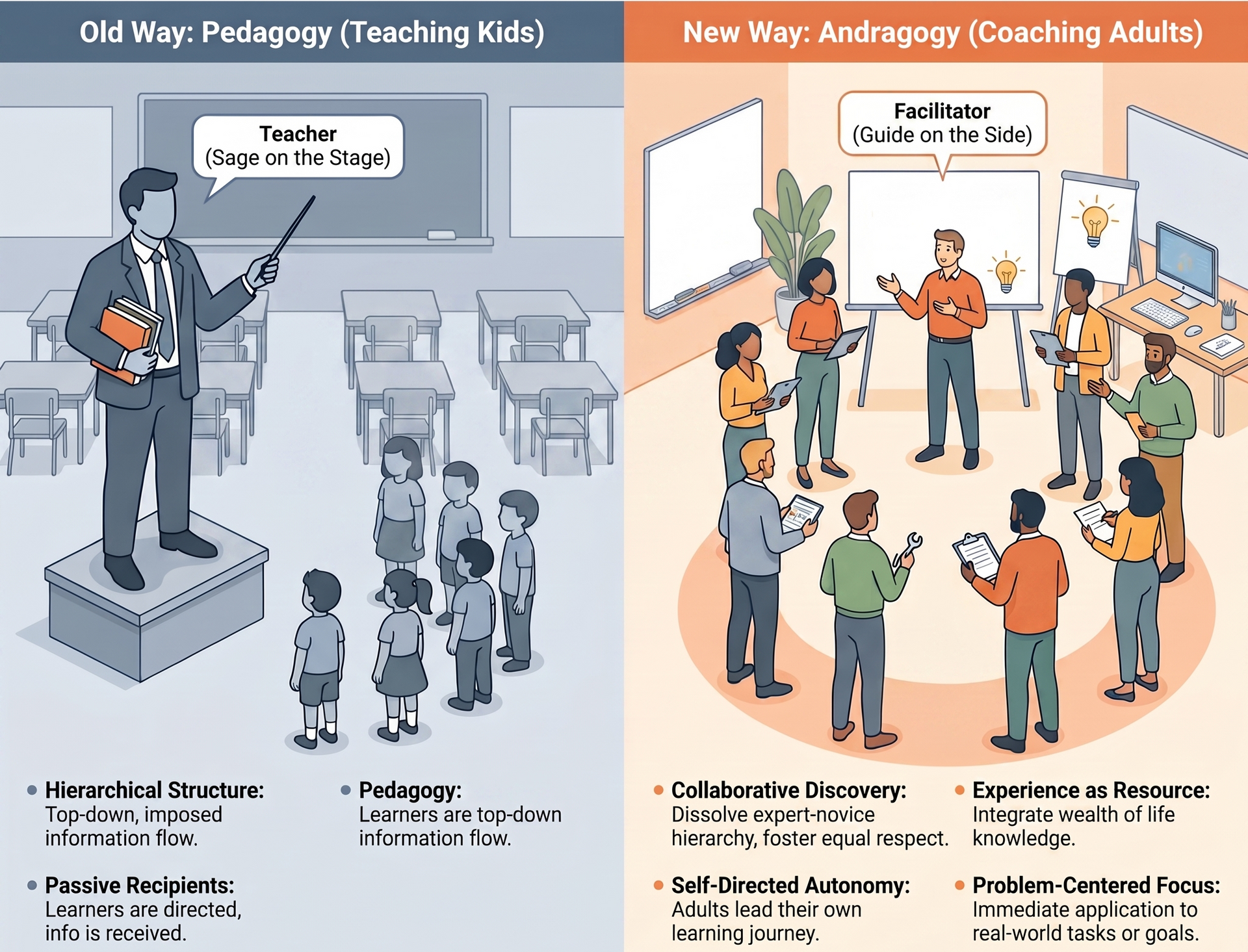
Side-by-side classroom cartoon comparing old lecturing with new collaborative coaching
September 8, 2026
Ditch the unused training gear. Apply the science of adult learning (andragogy) to design predictable, high-retention climbing academies for busy professionals.
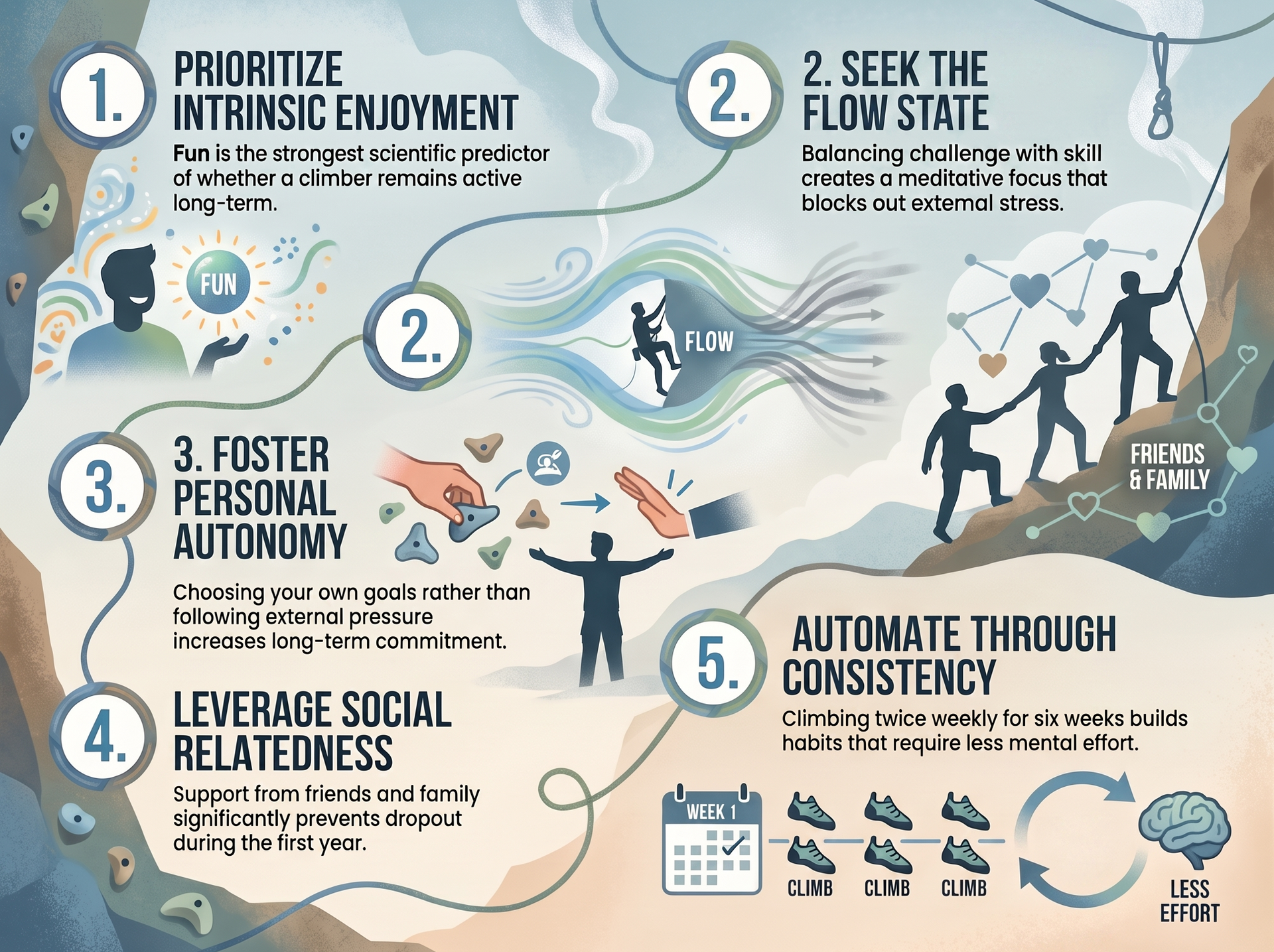
Climber smiling mid-route, illustrating the science of lifelong climbing joy
September 5, 2026
Discover the top 5 science-backed factors for long-term climbing adherence, from intrinsic joy to smart injury prevention.
Climbers in gym clinic
September 3, 2026
Learn why commercial climbing gyms face a 60% member churn rate in year one and how structured B2B movement curriculums boost 90-day retention.